Bholi ko lagi plan
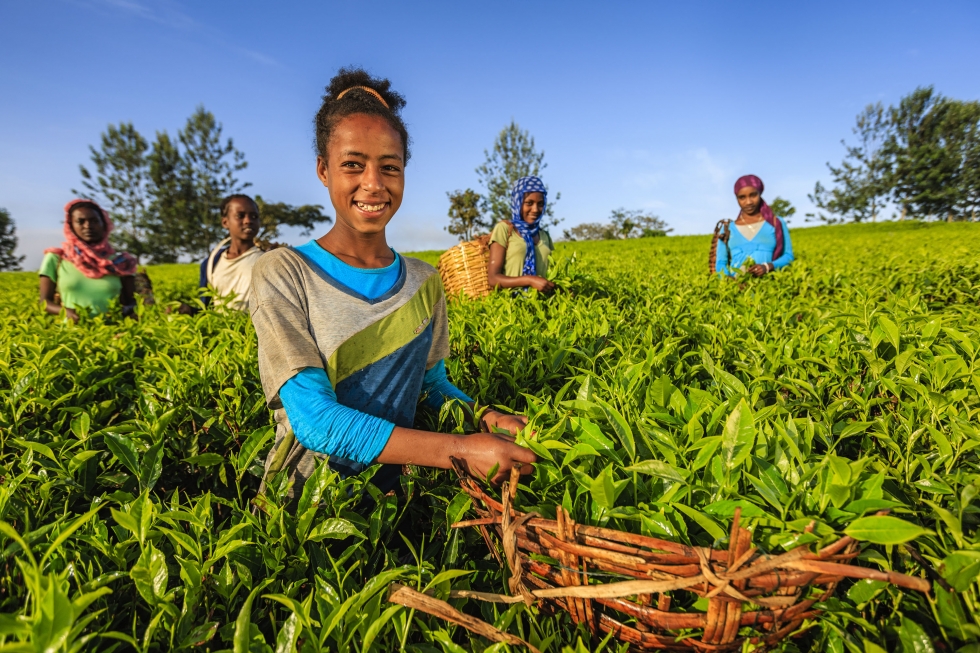
Agriculture has historically been the largest economic sector, in terms of output volume and numbers of workers employed. Even today, about one billion people of working age (or, 26.7 per cent of the global labour force) are employed in agriculture, although they are extremely unevenly distributed over the globe.1 Nevertheless, agricultural workers have long been underrepresented in the “old” as well as the “new” labour history.2 This scholarly neglect of agriculture might be a result of what some have perceived as the slow death of agricultural work or a process of de-peasantisation – due to the effects of industrialisation and the rising productivity in agricultural production. However, for a long time, the decreasing importance of the agricultural sector has, in fact, been limited to a few highly industrialised nations.
Everywhere else, agriculture is still a major economic sector and a source of income for a large part of the population. Although the share of people employed in the agricultural sector has been declining worldwide, and constitutes (far) below 5 per cent of the total working population in most high-income countries, their share is still considerable in most mid- and low-income countries, where the majority of the world population currently lives.3 Besides their quantitative importance, there are several other qualitative considerations motivating the study of agricultural labourers. For this volume, we have identified three topical issues, which are very urgent in the present day and age but which call for more in-depth historical contextualisation.